Who we are
Sinopec Qilu Petrochemical is located in Zibo City, Shandong Province, covering an area of 24.8 square kilometers. It is a large-scale comprehensive enterprise integrating oil refining, chemical industry, fertilizer, and chemical fiber, covering a variety of chemical processes such as petroleum, salt, coal, and natural gas. ASCENT GROUP is the overseas sales agent for Sinopec Qilu Petrochemical.Over 40 years’ growth since 1966, Qilu has been equipped with facilities for 10.5 million tons refinery, 800 thousand tons ethylene, 1.1million tons synthetic...
Read More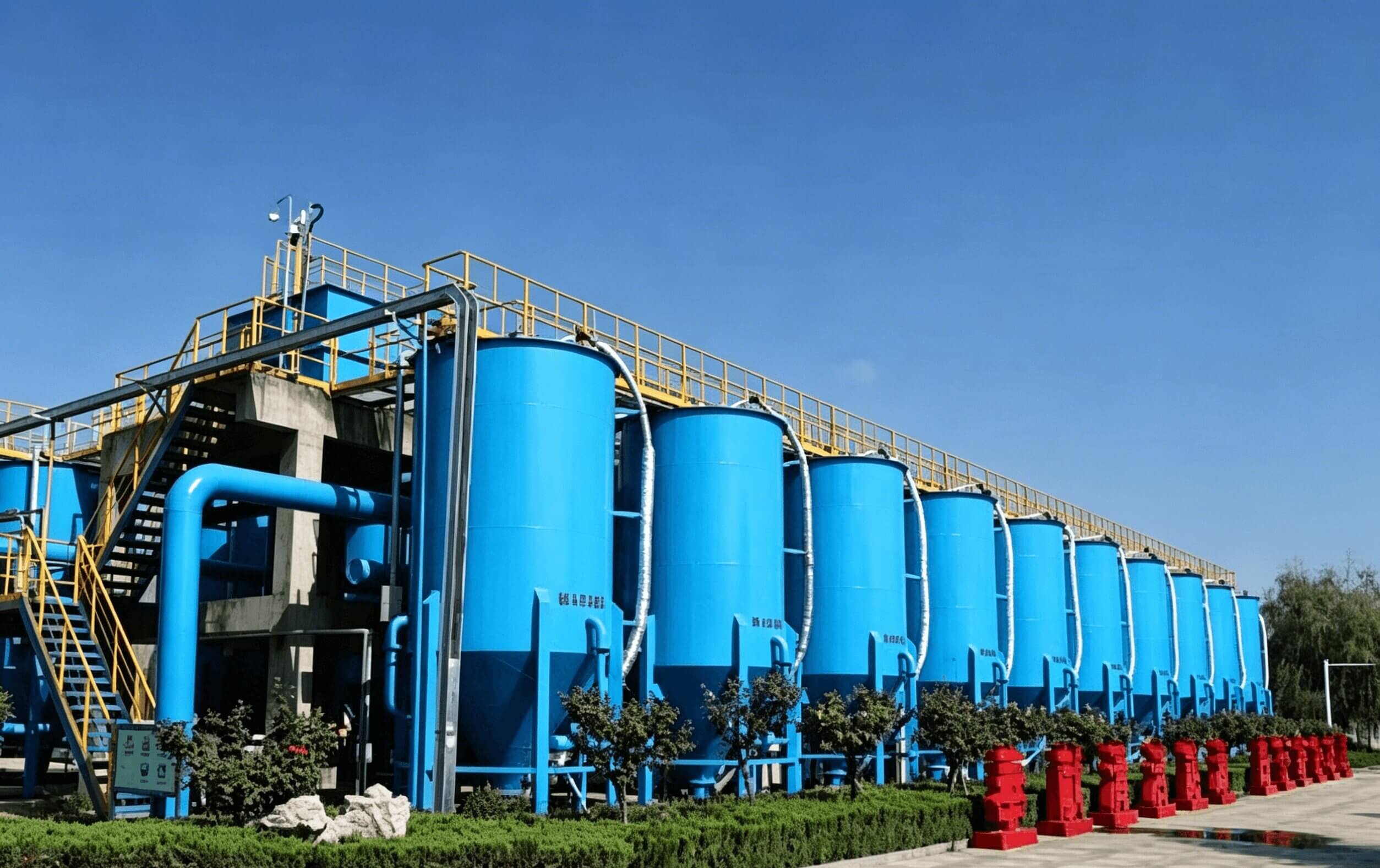

Sustainability
Environmental Stewardship
Adhere to the synchronous development of industrial production and environmental protection.
Emission Compliance
Ensure stable and compliant emissions of pollutants
Accident Prevention
Prevent major environmental pollution accidents, and build a green and civilized enterprise
Our Culture
Culture
Provide customers with more valuable chemical supply solutions
Core Values
Putting oneself in others' shoes, achieving mutual benefits for employees, customers, and shareholders
Business Philosophy
Take the market as the navigation mark and the customer as the center
Corporate Mission
Create value for customers, employees, and shareholders
News Feed
Sinopec Qilu Petrochemical: How the Enterprise Achieves Energy Conservation and Low-Carbon Development
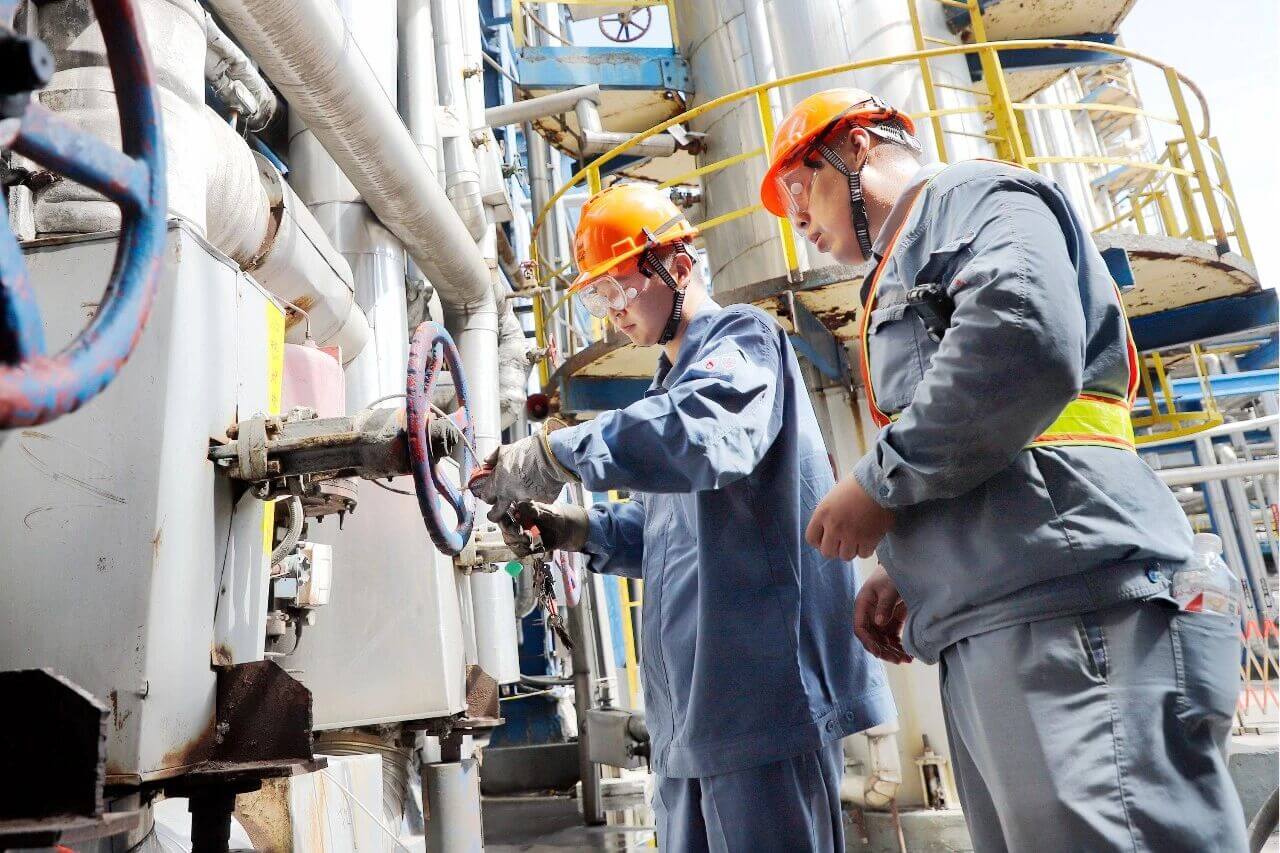
Every week, energy management staff from all departments of the company check the dynamic energy consumption data monitoring platform, compare energy consumption benchmark values of each process section, tap optimization potential from multiple dimensions including low-temperature heat utilization, temperature and pressure reduction adjustment, and distillation parameters, and conduct corresponding analysis. Data with drastic fluctuations shall be monitored dynamically. Meanwhile, the Production Management Department releases a weekly briefing every Monday covering existing problems and highlights of energy-saving work of all units. The company planned to launch 54 energy-saving optimization projects in 2026, and the actual number has exceeded 70 after continuous expansion.In addition, the Production Management Department enforces the "Three Strictest" work requirements and conducts random inspections on energy-saving work of two units every week. During inspections, auditors also check the training and implementation of energy-saving operation procedures for frontline staff to consolidate the foundation of energy conservation in production and integrate energy-saving concepts into daily operations.After the technical transformation project for the transformation and upgrading of Luoyang Oil & Refining was completed, the Production Management Department invited third-party institutions to review energy efficiency indicators. The department also systematically diagnosed energy consumption of aging units still operating in the refining zone, identified energy-saving potential points by coordinating old and newly-built facilities, and put forward feasible design optimization and energy-saving technical renovation schemes to realize coordinated operation of old and new equipment, so as to control energy consumption from the source.Comprehensive refining energy consumption is a core energy-saving assessment indicator supervised by local governments and the group corporation. Exceeding the set threshold will trigger risks of unit shutdown, directly threatening the company’s survival, making it a vital lifeline for the enterprise.Focusing on core priorities, the Production Management Department adopted multiple measures to guarantee compliance with key energy-saving indicators. Comprehensive refining energy consumption covers all types of energy consumed in refining production. Faced with reduced processing load of refining units, the department launched special research projects for low-load operation, cut circulating feed flow, and even adopted intermittent operation modes for some units to lower energy use.Intermediate products produced by refining units are sometimes sent to tank farms for mixing and homogenization, requiring pumps for transportation and steam to maintain material temperature. This year, the Second Storage & Transportation Division and Shengli Refinery carried out joint continuous optimization work. They improved the quality of intermediate products, opened up direct material supply pipelines to production units to reduce the volume of materials delivered to tank farms, cut energy consumption and shut down part of storage tanks.Shengli Refinery set stricter targets for itself, abandoning the past practice of setting energy consumption benchmark values based on historical average data. It revised energy consumption assessment indicators by referencing the best historical performance and strengthened energy-saving management for atmospheric-vacuum distillation units and fluid catalytic cracking (FCC) units.In addition to producing gasoline and liquefied petroleum gas, the No.3 FCC unit generates steam. The wax oil hydrogenation unit supplies high-temperature wax oil as feedstock. Since May, the FCC workshop has broken conventional operating modes to maximize the intake of direct-supplied hot wax oil, raising the temperature of feedstock tanks from 123.6°C to 128.7°C. The increased volume of hot feed reduces heat loss of slurry oil used for heating and raises its temperature. After entering the steam generator, an extra 30 to 40 tons of steam is produced per hour, lowering overall energy consumption.Shengli Refinery spared no effort to capture all possible energy-saving gains. After the anti-freezing and anti-coagulation period ended in April, the factory inspected over 2,000 steam traps for failures, replacing 14 faulty traps and cutting steam waste by 1.4 tons per hour.In the first five months of this year, the company’s comprehensive refining energy consumption consistently outperformed industrial standards.Each unit under the chemical division adopts customized optimization solutions based on different production processes and energy-saving potential. The full-density pilot plant circulating water system in the Resin Division suffered from oversized pumps for low load demand, so the division replaced matching pumps in a timely manner. Some storage tanks in the First Storage & Transportation Division lacked tail gas recovery facilities; the division carried out rectification this year and prioritized the use of tanks equipped with tail gas recovery devices to reduce energy consumption.Steam accounts for around 80% of total energy consumption of the Coal Chemical Division, making steam consumption reduction a key priority for energy-saving research this year.The Coal Chemical Division made layout preparations for this initiative during last year’s unit overhaul. The CO₂ compressor of the carbon dioxide plant is driven by steam. During maintenance, the steam pipeline of the CO₂ compressor was merged with the steam pipeline of the air separation unit compressor. The integrated pipeline delivers larger flow, higher pressure and temperature, and improved steam quality. At present, the CO₂ compressor saves 1.5 tons of steam per hour.In March, partial units of the butanol-octanol plant were shut down, generating less wastewater. The Butanol-Octanol Workshop optimized process routes by diverting wastewater to the sewage treatment facility of the isobutyraldehyde unit, which allowed the shutdown of the wastewater stripping tower of the butanol-octanol plant, cutting steam consumption by 3.5 tons per hour and saving over 5 million RMB in steam costs annually. Meanwhile, purified wastewater meets reuse standards and is delivered to the circulating water pipe network, greatly boosting wastewater recycling rate.The butyraldehyde isomerization tower separates n-butyraldehyde and isobutyraldehyde. Its reboiler, which heats liquid butyraldehyde into gas phase, runs on low-pressure steam as well as medium-pressure steam after pressure reduction. The Butanol-Octanol Workshop optimized operation by appropriately lowering internal pipe network pressure and increasing the intake of low-pressure steam, reducing the volume of pressure-reduced medium-pressure steam by around 5 tons per hour.
Read More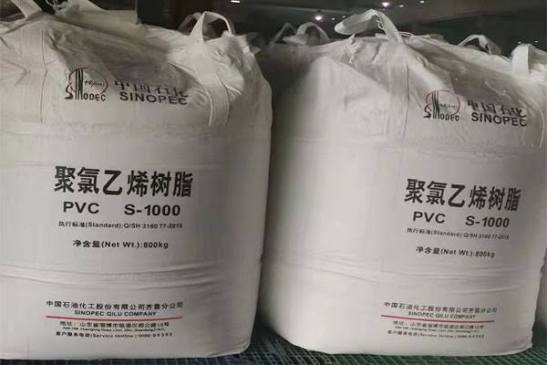
Sinopec Qilu Petrochemical Makes Breakthrough in High Polymerization Degree PVC Resin R&D
Recently, the pilot base of Sinopec Qilu Petrochemical Chlor-Alkali Plant has successfully produced high polymerization degree polyvinyl chloride (PVC) resin. All key performance indicators of the product meet the design requirements, marking a crucial milestone in Sinopec Qilu Petrochemical’s transformation of PVC products to high-end grades.As a high-performance special material combining dual properties of rubber and plastic, high polymerization degree PVC is widely used in high-grade artificial leather, large inflatable products, medical blood bags and other fields, boasting promising market prospects and sound economic benefits. Previously, the pilot base of Qilu Petrochemical Chlor-Alkali Plant filled the technical gap that existing production units cannot develop low polymerization degree products. It successfully developed new low polymerization degree chloridable PVC products which have gained recognition from customers, and this time the R&D team further targeted high polymerization degree grades for research.To overcome technical bottlenecks, the Research Institute of Sinopec Qilu Petrochemical quickly set up a dedicated R&D team. After multiple rounds of laboratory tests and parameter optimization, the team took the lead in achieving a laboratory technical breakthrough for high polymerization degree PVC. The researchers immediately carried out simulated working condition tests relying on the pilot base. By jointly analyzing test data, referring to technical literatures, repeatedly optimizing system parameters and polymerization formulas, and adjusting feeding methods, the team successfully solved tough challenges including poor compatibility between additive viscosity and production equipment, and unsynchronized feeding rhythm, laying a solid foundation for the industrial launch of the new product.
Read More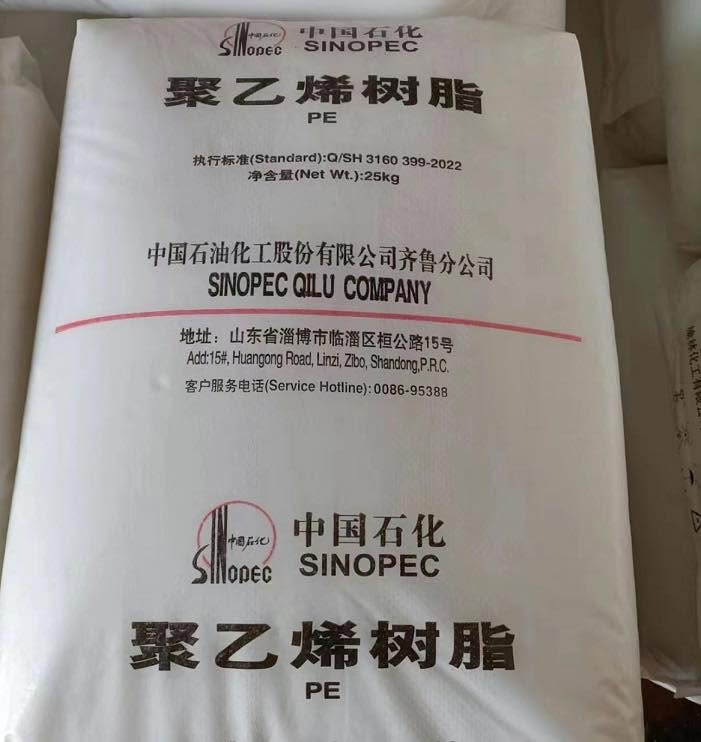
Qilu Petrochemical Company, Sinopec Polyethylene: Driven by Innovation for High-Quality Development, Forging New Competitive Edges in the Industry
Against the backdrop of transformation and upgrading of the global chemical industry and sustained growth in demand for high-end materials, polyethylene, one of the most widely used general-purpose resins, plays a vital role in packaging, construction, automotive, medical, agricultural, new energy and other sectors. As a key chemical production base under Sinopec, Qilu Petrochemical Company leverages robust technical strengths, a complete industrial chain layout and continuous innovation capabilities to achieve steady breakthroughs in polyethylene product R&D, production management and market services, contributing to the high-quality development of China’s polymer materials industry.Located in Zibo City, Shandong Province, Qilu Petrochemical Company, Sinopec is one of China’s major integrated refining and chemical enterprises. After years of development, it has built a relatively complete ethylene industrial chain. As a core component of its key chemical production units, polyethylene plants occupy a pivotal position in the company’s overall industrial layout.Backed by advantages in ethylene feedstock, Qilu Petrochemical produces a full range of polyethylene grades including High-Density Polyethylene (HDPE) and Low-Density Polyethylene (LDPE). These products are widely applied in film products, hollow containers, pipes, cable sheaths, industrial packaging and other fields to meet diversified demands from various customers.Faced with intensifying market competition and the high-end transformation trend of downstream industries, Qilu Petrochemical adheres to an innovation-driven development strategy and steadily increases investment in scientific research and development.In recent years, the company has carried out a series of technical breakthroughs focusing on the development of high-performance polyethylene products. By optimizing process parameters, upgrading catalyst systems and improving production control standards, it continuously enhances product quality stability and production efficiency.In the field of high-end polyethylene materials, Qilu Petrochemical actively advances the development of specialty materials with key focuses on the following categories:High-strength pipe materialsHigh-performance packaging film materialsMedical and food-contact grade materialsSpecialty materials for high-end hollow productsSupporting materials for new energy sectorsThrough differentiated product deployment, the company has strengthened its market competitiveness and realized a shift from scale advantages to quality and brand advantages.Digital transformation has become a critical development direction for the petrochemical industry. Qilu Petrochemical vigorously advances smart factory construction by deeply integrating digital technologies into polyethylene production processes.With the deployment of Advanced Process Control (APC) systems, production management information systems and intelligent monitoring platforms, the company has achieved:Real-time monitoring of full production processesPrecise energy consumption managementPredictive maintenance of equipmentOnline optimization of product qualityIntelligent early warning for safety and environmental protectionSmart manufacturing not only boosts plant operational efficiency but also effectively cuts energy consumption and production costs, providing solid support for the enterprise’s green and low-carbon development.Amid the national "Dual Carbon" goals, green development has become a core priority for chemical enterprises. Qilu Petrochemical earnestly practices Sinopec’s green development philosophy and continuously promotes energy conservation, emission reduction and clean production in polyethylene manufacturing.The company has rolled out multiple initiatives as follows:Optimizing Energy MixConsistently improving energy utilization efficiency and lowering comprehensive energy consumption per unit of product.Advancing Circular EconomyEnhancing comprehensive utilization of by-products to maximize resource efficiency.Strengthening Environmental GovernanceConstantly upgrading waste gas, wastewater and solid waste treatment systems to ensure stable compliance with environmental standards.Promoting Eco-Friendly ProductsActively developing environment-friendly polyethylene products to facilitate the green transformation of downstream industries.Through a full spectrum of green development measures, Qilu Petrochemical has achieved coordinated growth in both economic and ecological benefits.Premium products rely on a sound service system. Adhering to the customer-centric business philosophy, Qilu Petrochemical has established a full-cycle service system covering product research and development, manufacturing, technical support and after-sales services.Tailored to diverse customer requirements, the company delivers the following services:Product selection guidanceProcessing technical supportCustomized application solution developmentProduct quality tracking servicesCustom formulation developmentThis transformation from merely selling products to providing integrated solutions has continuously strengthened customer loyalty and market influence.Looking ahead, the polyethylene industry is advancing rapidly toward high performance, environmental friendliness and intellectualization. Drawing on Sinopec’s robust technical platforms and industrial resources, Qilu Petrochemical will accelerate R&D of high-end polyethylene products, push forward digital transformation and green low-carbon development, and steadily boost value creation along the industrial chain.In the future, Qilu Petrochemical’s polyethylene business will further focus on high-end market demand, continuously strengthen independent innovation capabilities, build an internationally competitive polyethylene product portfolio, and deliver more robust material support for the development of China’s new materials industry and manufacturing upgrading.As a key polyolefin production base under Sinopec, Qilu Petrochemical boasts abundant production experience and technical expertise in the polyethylene sector. Driven by high-quality development, the company is advancing its polyethylene industry toward high-end, green and intelligent development through technological innovation, smart manufacturing, green development and comprehensive market services, demonstrating robust development momentum and broad prospects amid the evolution of the chemical industry in the new era.
Read More